Sapa: Where the Mountains Meet the Clouds
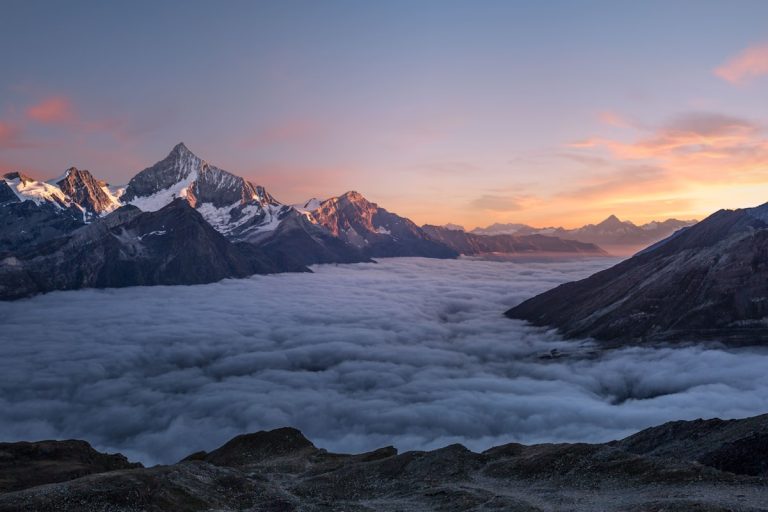
Perched at 1,500 meters in the Hoàng Liên Sơn mountain range, Sapa (Sa Pa) is Vietnam’s premier trekking destination. The town itself is a bustling hill station, but step beyond its edges and you enter a world of cascading rice terraces, misty valleys, and ethnic minority villages where centuries-old traditions endure.
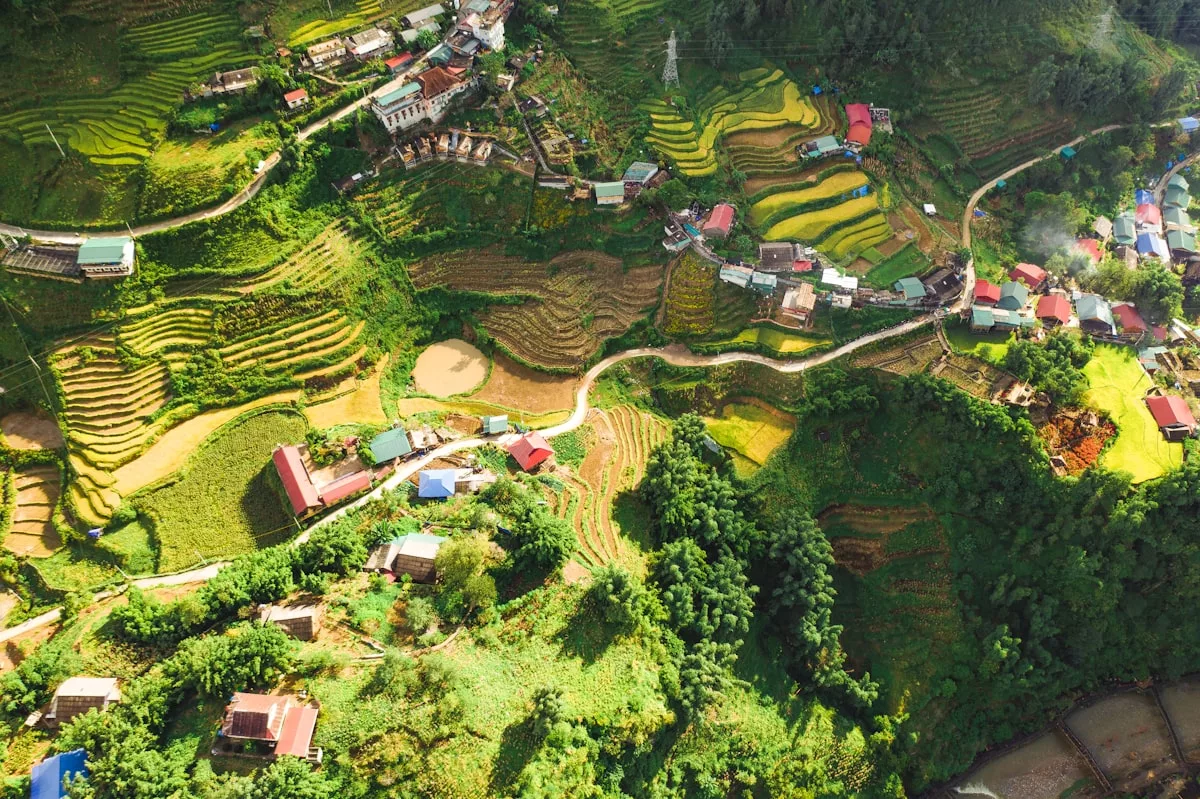
The terraced rice paddies of Sapa — carved into mountainsides by the Hmong, Dao, and Tày peoples over countless generations — are recognized as among the most spectacular agricultural landscapes in Asia. They shift through a palette of colors with the seasons: lush emerald green in summer, golden amber at harvest time, and silvery mirrors reflecting the sky when flooded for planting.
Best Trekking Routes
Route 1: Sapa → Cát Cát Village (Easy, 2–3 hours)
The most accessible trek, perfect for families and those with limited time. Descend from Sapa town through pine forests to Cát Cát, a Black Hmong village nestled in a deep valley. Watch women weaving indigo-dyed textiles on wooden looms, see the old French hydroelectric station, and cross a suspension bridge over a cascading waterfall. Entry fee: 70,000 VND.
Route 2: Sapa → Tả Phìn (Moderate, Half Day)
This route leads to Tả Phìn, home to Red Dao communities known for their elaborate headdresses and traditional herbal baths. The trek winds through terraced fields, bamboo groves, and past a mysterious cave used for shelter during wartime. Many homestays in Tả Phìn offer the famous tắm lá thuốc (herbal leaf bath) — a soak in a wooden tub filled with water infused with dozens of mountain herbs. It’s profoundly relaxing after a day of trekking.
Route 3: Sapa → Lao Chải → Tả Van (Moderate, Full Day)
The classic Sapa trek. Follow the Mường Hoa Valley through terraced rice fields to Lao Chải (Black Hmong) and Tả Van (Giáy people). This route offers the most iconic rice terrace panoramas in all of Vietnam. The trail is well-established but can be slippery after rain — good hiking shoes are essential. Many travelers spend the night at a homestay in Tả Van, waking to the sound of roosters and mist rising from the valley.
Route 4: Fansipan Summit (Challenging, 2 Days / 1 Night)
At 3,143 meters, Fansipan is the highest peak in Indochina — the “Roof of Indochina.” The traditional trekking route takes two days with a campsite at 2,800 meters. The final ascent is steep and often muddy, pushing through cloud forest where twisted rhododendrons bloom pink and white in March. Reaching the summit pyramid marker as clouds part to reveal the Hoàng Liên Sơn range stretching to the horizon is an unforgettable moment.
Alternative: A cable car (the world’s longest three-rope cable car system at 6,292 meters) now whisks visitors to near the summit in 15 minutes. While it lacks the adventure of trekking, the aerial views are spectacular.
Homestay Etiquette & Cultural Tips
- Remove shoes before entering any home — this is non-negotiable
- Ask permission before photographing people, especially elders and children
- Accept food and drink offered by your hosts — refusing is considered rude
- Don’t touch the altar area in homes — it’s a sacred spiritual space
- Buy directly from artisans rather than middlemen — textiles, jewelry, and beeswax-dyed fabrics make meaningful souvenirs that support local communities
Best Time to Trek
September–November: Harvest season — golden rice terraces, clear skies, cool temperatures. The absolute best time.
March–May: Spring blooms, new rice plantings create vivid green terraces, comfortable hiking weather.
December–February: Cold and foggy (temperatures can drop to 0°C), but the ethereal misty atmosphere and occasional frost on the peaks create magical landscapes.
Explore Lào Cai with our custom bespoke private tours & transfers.
Secure airport pickups, skip-the-line VIP Fast Track, and direct travel support.