Your first Vietnam trip might bring together a bowl of noodles in Hanoi, limestone scenery in Ninh Binh, heritage streets in Hoi An, and a coffee stop in Ho Chi Minh City. The rewarding combination is the one that fits your interests and gives you time to enjoy each place.
This Vietnam travel guide helps you choose where to begin: which region appeals to you, how much ground your available days can cover, and what to arrange before arrival. It introduces the country and connects you with our more detailed guides to destinations, practical planning, culture, travel styles, and services.
Start with your next question:
- Explore Vietnam: Compare regions and experiences.
- Plan My Trip: Match your route to your time.
- Prepare for Arrival: Organize entry requirements and your first stay.
What Should You Know Before Visiting Vietnam?
Vietnam at a Glance
Vietnam stretches along the eastern side of mainland Southeast Asia. Its length, coast, and mountainous terrain make regional differences important: a packing list or weather expectation suited to one destination may be wrong for another.
| Essential | What It Means for Your Visit |
|---|---|
| Capital | Hanoi, in northern Vietnam |
| Language | Vietnamese; save important addresses in Vietnamese as well as English |
| Currency | Vietnamese đồng, written as VND or ₫ |
| Time Zone | UTC+7; Vietnam does not observe daylight saving time |
| Major Arrival Gateways | Hanoi: Noi Bai (HAN); Da Nang: Da Nang International Airport (DAD); Ho Chi Minh City: Tan Son Nhat (SGN) |
| Entry Preparation | Check the requirements for your passport, travel purpose, dates, and itinerary |
| Seasonal Planning | Compare individual destinations rather than relying on one national “best time” |
The Vietnam National Authority of Tourism identifies Hanoi, Da Nang, and Ho Chi Minh City as major international gateways in its airport overview. Check your airline’s current flight and terminal details before arranging pickup.
What Makes a Vietnam Trip Rewarding—and What Takes Planning?
Much of the pleasure comes from combining recognizable sights with everyday experiences: a historic building and a nearby lunch spot, a boat trip and a quiet evening, or a neighborhood you return to for breakfast. You can build those combinations around your interests rather than treating every destination as compulsory.
| What You Can Enjoy | What Shapes the Experience |
|---|---|
| Contrasting Cities, Countryside, and Coast | The number of bases and the journeys between them |
| Food and Everyday Street Life | Local menus, ingredients, and ordering routines |
| Heritage and Outdoor Experiences | Historical context, terrain, weather, and activity level |
| Different Accommodation Styles | Actual facilities, location, housekeeping, and support |
Choose a few priorities early. A food-focused visit benefits from time to explore neighborhoods; a mountain journey needs room for its own route and conditions. The sections below help you turn those interests into a manageable first trip.
Where Should You Go on Your First Visit?
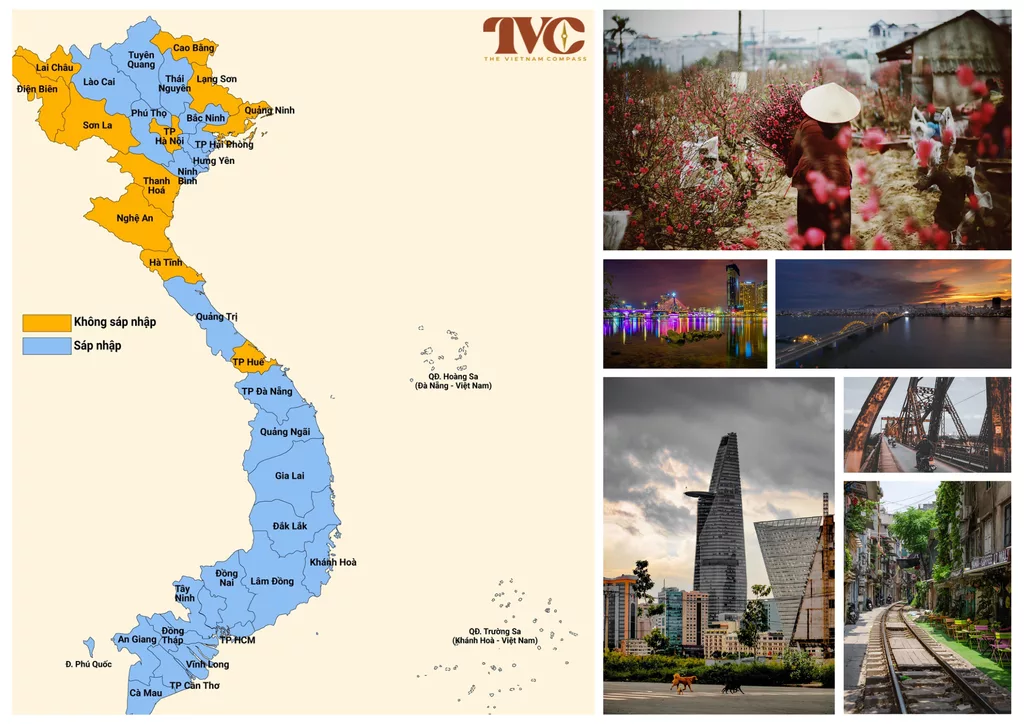
Start with a region that matches your interests and available time. The regional labels below are broad travel groupings, not a substitute for checking current addresses or local conditions.
| Region | Main Appeal | Places to Consider | Planning Consideration |
|---|---|---|---|
| North | City culture, limestone scenery, and mountains | Hanoi, Ninh Binh, Ha Long Bay, Sapa | Mountain travel requires a different pace and preparation from a city-and-bay visit |
| Central | Heritage, coastal stays, and caves | Hue, Da Nang, Hoi An, Phong Nha | Match outdoor plans to the destination’s season and access conditions |
| South | Urban food and history, river landscapes, and islands | HCMC, the Mekong Delta, Phu Quoc, Con Dao | A city stay, Delta journey, and island break each need their own travel allowance |
Northern Vietnam
Hanoi suits a city-led introduction, with streets, museums, and lakeside spaces that you can explore between meals. From there, decide which landscape experience most interests you rather than automatically adding every northern highlight.
In Ninh Binh, the Trang An landscape combines inland limestone peaks, waterways, caves, and cultural sites. Small-boat excursions are one way to experience it, while a land-based stay lets you organize other outings separately. Ha Long Bay offers a different setting: limestone formations rising from the sea, with visits often centered on a boat or cruise itinerary. Compare time aboard, shore activities, and the flexibility you want before choosing.
Sapa adds a mountain dimension, which changes the trip’s pace and preparation. Choose it because walking or mountain landscapes are a priority; the specific route matters more than a general label such as “easy trek.”
For a short northern visit, Hanoi plus one landscape base is a useful starting point. Add another only when it contributes something you particularly want to experience.
Central Vietnam
Central Vietnam offers several distinct kinds of stay:
- Hue: Focus on imperial history, including the Citadel and royal tombs. Its heritage sites suit visitors who want historical context alongside sightseeing.
- Hoi An: Explore the architecture and streets of a historic trading town. UNESCO’s account of the Ancient Town explains the cultural influences behind its preserved buildings. Allow time to look beyond a quick evening photograph.
- Da Nang: Consider a coastal-city base when you want urban services and access to beaches such as My Khe. Decide whether your accommodation should prioritize the waterfront or the city activities you plan.
- Phong Nha: Make caves and outdoor experiences the purpose of the stop. A sightseeing cave visit and a demanding expedition require different amounts of time, equipment, and physical preparation.
Hue, Da Nang, and Hoi An should not be treated as interchangeable bases: where you sleep affects your daily journeys. Phong Nha needs a separate place in the route rather than an incidental addition to a coastal stay.
Season matters here. Late-year rain and storms can affect Hue and Hoi An, so include indoor alternatives and keep weather-dependent bookings flexible. The regional climate guide describes seasonal patterns; it is not a forecast for your travel dates.
Southern Vietnam
Ho Chi Minh City, often called Saigon, works well for a visit centered on food, history, and urban life. The Central Post Office and streets around Dong Khoi offer one introduction; Cholon’s markets and religious sites offer another. A museum visit, a meal, and a café stop can form a satisfying day without covering the entire city. The official HCMC overview introduces these different settings.
The Mekong Delta changes the focus to waterways and local livelihoods. Choose a named route rather than booking simply “the Delta.” For example, the Ben Tre area is associated with coconut-growing landscapes and workshops, while other routes may focus on different towns or river activities. The destination and timetable determine what a day trip can realistically include; a floating market is not an automatic feature of every excursion.
Phu Quoc and Con Dao are island options when you want to devote part of the trip to an island stay. Give them their own transport and accommodation allowance rather than treating them as quick additions to HCMC sightseeing.
You can begin or end in HCMC according to your flights. For a first southern visit, decide whether the city, the Delta, or an island is your main priority, then build the remaining nights around it.
For a closer comparison, continue with Where to Go in Vietnam. For an urban southern stay, use the Ho Chi Minh City Travel Guide.
How Much Time Should You Allow?
Allow time for the trip you want to experience, including the journeys it requires. The following ranges are planning recommendations, not minimum stays or fixed packages.
| Time Available | Sensible Starting Scope | Main Compromise |
|---|---|---|
| 5–7 Calendar Days | One region, usually one or two main bases | Leave other regions for another visit |
| Around Two Weeks | A selective multi-region introduction or a deeper regional trip | Choose between more destinations and more time in each |
| Three Weeks or Longer | More regional variety or longer stays with fewer moves | Resist filling every extra day with another transfer |
A Short Trip Focused on One Region
With five to seven calendar days, start with one or two main bases. Hanoi with Ninh Binh, or HCMC with a focused Mekong visit, offers a change of setting without trying to cover the country.
For illustration, a six-night trip could allocate four nights to a city and two to a nearby landscape destination, adjusting the order around your departure point. This is a planning example, not a tested itinerary or a recommendation to connect a regional transfer tightly with an international flight.
Count arrival and departure time honestly: a late landing gives you a night in Vietnam, but little sightseeing time. That distinction is more useful than adding another stop to make the trip look complete.
A Two-Week Introduction
Two weeks gives you a choice between a selective multi-region introduction and a deeper visit to one or two regions. A northern city-and-landscape combination, a central heritage base, and HCMC can provide contrasting experiences; choosing fewer regions leaves more room for local exploration.
On a calendar, mark each change of accommodation before adding activities. A flight takes more time than its airborne duration once you include checkout, airport travel, waiting, baggage, and the journey to your next stay. Avoid assigning a full sightseeing schedule to the same day.
If both a mountain trek and an island break are priorities, consider whether another stop should come out. Give each destination a purpose instead of pursuing a complete national checklist.
A Longer or Slower Visit
Three weeks or more can mean extra destinations, longer stays, or both. You might spend more time in a city neighborhood, take a regional excursion without returning immediately, or reserve days for an activity that depends on conditions.
A useful way to choose is to ask what another night would let you do. If it creates time for a relaxed meal, a second cultural visit, or recovery after a transfer, it may be more valuable than an additional destination.
For the booking sequence and a detailed route worksheet, continue with How to Plan a Trip to Vietnam.
What Can You Experience in Vietnam?
Build your visit around experiences you actually enjoy: food, cultural context, landscapes, outdoor activity, or the rhythm of a longer stay. You can combine them without giving each equal time.
Food, Coffee, and Everyday Local Life
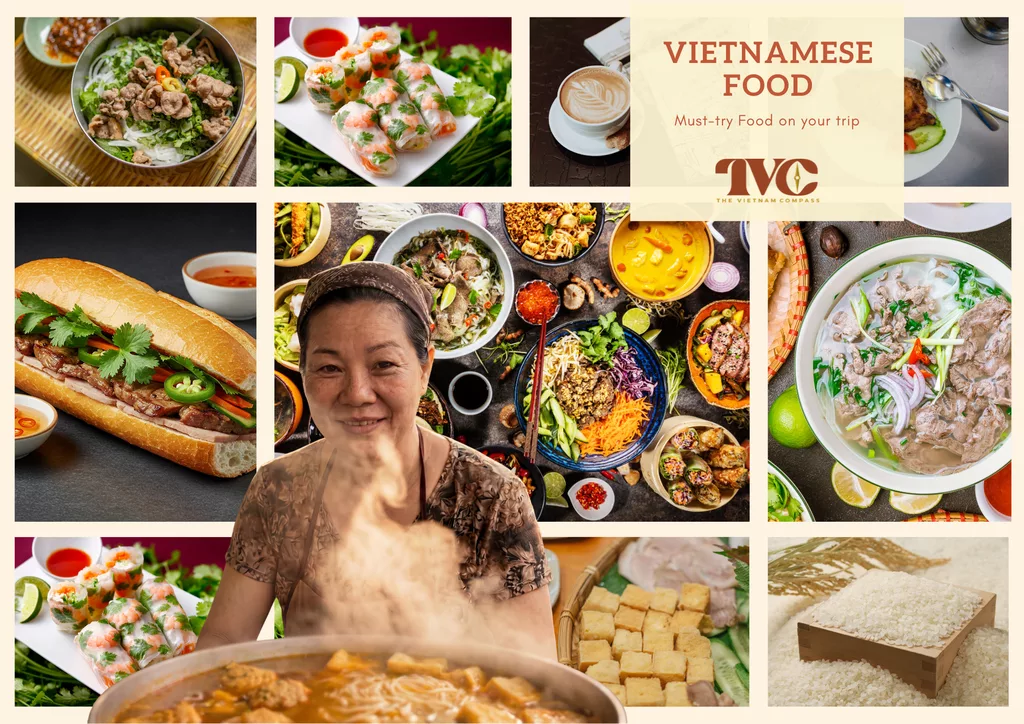
Food gives you an approachable way into daily life. Learn a few dish names, then choose meals that fit your appetite and interests rather than trying to taste everything in one outing.
| Food or Drink | What to Expect | Useful Question |
|---|---|---|
| Phở | A noodle soup, commonly served with beef or chicken | Which broth and meat does this version use? |
| Bánh Mì | A baguette sandwich with fillings that vary by seller | What fillings, sauces, and spreads are included? |
| Cơm Tấm | Broken rice, often served with grilled pork and other accompaniments | Which toppings come with the plate? |
| Cà Phê Sữa Đá | Iced coffee with condensed milk | Can the sweetness be adjusted? |
The tourism authority’s food collection provides a wider introduction, while its HCMC dish guide explains local meal options such as cơm tấm. These descriptions are starting points: recipes and serving styles vary.
A market visit, a seated coffee, and a return to a favorite breakfast place can be as rewarding as a scheduled attraction. With dietary restrictions, ask about the ingredients and preparation directly; a vegetable filling does not establish what is in the sauce or broth.
For regional food traditions and cultural context, continue with Vietnamese Culture, Food and Local Life.
Heritage, Landscapes, and Outdoor Activities
Choose the depth of experience you want. At Hue’s imperial sites, historical interpretation can help you understand the buildings and their purpose. In Hoi An, the character of the trading town becomes clearer when you look at its architecture rather than only its busiest photo spots.
Landscape experiences differ just as much. A small-boat visit through Trang An, time aboard a Ha Long cruise, and a mountain walk are distinct ways to spend a day. Think about whether you enjoy being on the water, moving on foot, or having the freedom to stop independently.
For an outdoor booking, ask about walking distance, surfaces or steps, boarding, equipment, and weather alternatives. Those details tell you more than a broad “easy” label. A sightseeing visit and a specialist adventure should not be treated as the same product.
Experiences That Fit Your Travel Style
Start with your preferences rather than assuming that a traveler label determines the trip. A solo visitor might want privacy; a family might enjoy a guided historical visit; a couple might prefer independent exploration.
| Your Priority | A Useful Way to Shape the Trip |
|---|---|
| Family Comfort | Protect meal and rest breaks, and choose sleeping arrangements that suit the group |
| Independent Exploration | Use manageable outings and book selected assistance for unfamiliar logistics |
| Food and Culture | Leave time within neighborhoods for meals, markets, and cultural interpretation |
| Outdoor Activity | Reserve enough time for the activity itself and its access requirements |
| Higher Comfort | Prioritize the location, room features, and service standards that matter to you |
| Slower Travel | Keep fewer bases and allow time to return to places you enjoy |
For more detailed comparisons, read Vietnam Travel Styles and Experiences.
What Should You Arrange Before Traveling?
Resolve your entry pathway, establish a workable route, and confirm your first arrival arrangements. Those decisions create a reliable starting point while leaving room for flexibility later.
Check Your Entry Pathway
Check requirements for the passport you will actually use, your travel purpose, dates, and planned entries. Living in Europe or flying from the United States does not, by itself, identify the rules that apply to you.
Begin with the Vietnam Visa and Entry Requirements guide and current official guidance. The Vietnam Immigration Department identifies evisa.gov.vn as an official portal for applications and results in its portal announcement.
If you need a visa, check the issued document against your passport and itinerary before departure. Do not treat a payment receipt or submission confirmation as an issued visa. For an unusual passport, a changed itinerary, or uncertainty about your circumstances, seek official clarification.
TVC offers access to private partner assistance. Immigration authorities make visa decisions; an accommodation booking, transfer, or airport assistance service does not replace required entry permission.
Match Dates, Route, and Budget
Choose travel dates with your intended regions in mind. Northern winters can call for warmer clothing, southern destinations remain warm, and parts of the central coast experience late-year rainfall. These broad contrasts are described in the regional climate guide; review local forecasts closer to departure.
Build a budget in three parts: major bookings such as accommodation and intercity transport; daily spending on meals and local journeys; and selected experiences such as guides or excursions. Add entry-related charges where applicable and a contingency appropriate to your arrangements.
For shared accommodation, distinguish the room total from a per-person price. A lower nightly rate may still mean a higher overall cost if it adds long daily journeys or excludes services you need. Use How to Plan a Trip to Vietnam for the detailed budgeting and booking sequence.
Choose Your First Stay and Arrival Transport
Start with location and arrival arrangements, then compare property features. A hotel may suit a short stay where you value its particular reception or housekeeping service. A serviced apartment may suit a group or longer visit where separate living space, cooking, or laundry matters. Those features depend on the actual property, not the label.
For families and friends, compare beds, bedrooms, and bathrooms separately: two bedrooms do not necessarily mean two bathrooms or permission for extra occupants. For longer visits, look closely at the workspace, cleaning schedule, laundry, and included utilities.
Match your booking to your flight. Scheduled landing time is not check-in time; baggage collection, arrival formalities, and the road journey come first. Early room access and luggage storage need agreement, while a late arrival requires clear instructions and a support contact. In an apartment building, access to the lobby or elevator may be separate from access to the unit.
A transfer quote should identify the pickup arrangement, vehicle and luggage capacity, waiting allowance, and what happens if your flight is delayed. Airport fast-track assistance, where arranged, is a separate service from the vehicle journey.
For area and property comparisons, continue with Where to Stay in Ho Chi Minh City.
Before-departure essentials:
- Confirm your entry requirements and any required permission.
- Check that your route fits the days and nights available.
- Confirm your first stay, arrival time, and access arrangements.
- Save the pickup instructions, address, and support contact offline.
- Prepare payment and connectivity options for arrival.
- Recheck flight details, weather, and relevant operator notices.
What Is Day-to-Day Travel Like?
Daily travel becomes easier when you prepare for a few recurring tasks: getting somewhere, paying, ordering, communicating, and adjusting your plans. You do not need to master every detail before departure.
Moving Around and Staying Connected
Different journeys call for different transport. Use this comparison to narrow your options, then check the actual operator and route:
| Option | When to Consider It | Main Trade-Off |
|---|---|---|
| Domestic Flight | Covering a long distance between regions when sightseeing time is limited | Airport journeys, waiting, and baggage add to the flight time |
| Train | Traveling between rail-connected destinations when the journey is part of the experience | Longer travel time; seats, berths, and station locations affect comfort |
| Intercity Bus | Reaching destinations served by road, including places outside your chosen rail route | Vehicle layout, stops, pickup points, and arrival times vary |
| Private Transfer | A specific road journey where door-to-door coordination helps your group | Compare the full vehicle quote, luggage space, and included waiting or stops |
The official transport overview explains the main categories. Use current operator information for schedules and fares. For an overnight journey, consider how well you are likely to rest before treating it as a substitute for a hotel night.
Within a city, combine transport with short walks where the route suits you. Select accommodation using the places you will actually visit: a map’s central label does not tell you the walking conditions outside the door.
For connectivity, roaming can keep arrangements with your existing provider, while a local SIM or eSIM gives you another plan to compare. An eSIM needs a compatible device; any option may have restrictions on coverage, data, calls, or activation. If you need to call a driver or host, establish whether your plan includes voice calls or whether you will use internet messaging.
Keep the property’s written address, map pin, and contact details offline. Show the exact destination to the driver rather than relying on an English property name.
Paying, Ordering Food, and Communicating
Prepare cash for smaller purchases and a suitable card option for businesses that accept it. The tourism authority’s payment guide describes this broad mix. Your bank and the seller determine the actual fees and acceptance conditions.
Vietnamese đồng amounts can contain several zeros, so read the denomination before handing over a note or confirming a payment. If a menu uses shorthand such as “50k,” clarify the total in VND before paying. For tours or stays, establish whether the amount is per person, per room, or for the group, and whether compulsory charges are included.
At a food venue, clarify the portion and optional additions when ordering. Pointing to a menu can help with a simple choice; a dietary restriction needs a more precise conversation about ingredients and preparation.
A few expressions are useful: “xin chào” means hello, “cảm ơn” means thank you, and “bao nhiêu tiền?” asks how much something costs. Keep important requests in writing as well. If translation leaves an essential detail unclear, ask the provider to confirm it in a form you understand.
Staying Comfortable and Traveling Respectfully
Give your day a rhythm that suits the conditions. An outdoor morning followed by an indoor visit or a seated break is one possible structure; a rainy day may call for a different order. Pack for the regions on your route, including warmer layers when visiting cooler northern or mountain destinations.
Assess access at street level. Steps, uneven pavements, and busy crossings can change the effort involved in a short journey. Use designated crossings where available, watch for turning vehicles, and choose another route or transport option when necessary. Travelers with specific mobility needs should ask about the actual entrance and route rather than relying on an “accessible” label alone.
At religious sites and homes, follow local instructions about clothing, footwear, and restricted spaces. Ask before photographing people closely or entering private areas, and respect a refusal. The etiquette guide provides introductory context; the setting’s own rules take precedence.
Shared buildings are also everyday living spaces. Follow the host’s visitor, noise, and rubbish instructions, keep common areas clear, and resolve problems directly with the named contact. Courtesy and clear questions will serve you better than assuming every venue or household follows the same custom.
How Can The Vietnam Compass Help You?
The Vietnam Compass combines free travel guidance with access to partner services. You can use the handbook to plan independently or ask for help with a specific part of your visit.
Start with the question you need to resolve:
- Choose Where to Stay in HCMC: Compare areas, hotels, and serviced apartments before requesting options.
- Understand Vietnam Entry Requirements: Identify the official guidance relevant to your passport and itinerary.
- Organize Your Trip: Put dates, destinations, budget, and arrival arrangements into a workable order.
For accommodation and visa assistance, TVC acts as an intermediary for partners, including Compass Stay and partner visa providers. Ask who supplies the service, what the quote includes, and which terms apply before booking. Property facilities and availability depend on the specific option; visa decisions remain with the authorities.
You can also ask about airport transfers, fast-track assistance, HCMC transportation, and city experiences. Confirm coverage and arrangements for your dates. Airport assistance and a vehicle transfer are separate services, so specify which part of arrival you want help with.
For an initial inquiry, share your travel dates, group size, destination, and the help you need. There is no need to send passport scans with a general travel question.
Contact The Vietnam Compass:
- Hotline: +84 70 404 8184
- WhatsApp: Message +84 70 404 8184
- Zalo: +84 70 404 8184
- Email: thevietnamcompass@gmail.com
First-Time Vietnam Travel Questions
Can I Travel Independently?
Yes—you can organize an independent trip and book selected assistance where it helps. Decide which tasks you are comfortable handling and check any operator or site requirements for your chosen activities. A privately arranged transfer or guided excursion can fit within an otherwise independent visit. Use How to Plan a Trip to Vietnam to organize the practical steps.
Do I Need to Speak Vietnamese?
You do not need to be fluent to plan a visit, but preparation makes communication easier. Save addresses in Vietnamese, learn a few courteous phrases, and keep important requests in writing. Confirm language support for a booked service when you need it, rather than assuming it. The Vietnamese Culture, Food and Local Life guide provides further context.
Should I Start in Hanoi or HCMC?
Start where flights, regional conditions, and your preferred route fit together best. Compare the whole journey, including your departure city and the cost of returning to it. Hanoi makes geographic sense for a northern start; HCMC for a southern one. Da Nang may also suit a central-focused trip. Use Where to Go in Vietnam to narrow the choice.
Can I Visit Vietnam Comfortably at a Slower Pace?
Yes. A slower visit can focus on one region or a small number of bases. You do not need to cover the country to have a worthwhile first trip. Use Vietnam Travel Styles and Experiences to compare approaches that suit your interests and daily needs.
Use this Vietnam travel guide to make one next decision: choose your region, set a realistic trip length, resolve your entry pathway, or shortlist your first stay. Follow that choice into the relevant guide, and build the rest of your visit around it.